Electrical Safety Singapore: Guides for Home Owners
Electrical safety Singapore home owners can act on, tied to EMA, HDB, LTA and SCDF sources. Several rules changed in recent years, including the RCCB requirement for every home, so each guide shows its sources.
The short answer: the individual doing wiring work must hold an EMA licence, every home must have an RCCB, and HDB sets extra rules for flats. Nobody inspects home wiring on a schedule, so the checks below are yours to make.
If something is wrong right now
- Smoke, flame or a burning smell: SCDF on 995, and do not reset anything.
- Neighbours or the corridor dark too: a supply fault for SP Group on 1800 778 8888, not charged to you.
- Only corridor or staircase lights: the town council.
- Only your home, with a switch down in your board: read what a trip means and the order of checks.
If it cannot wait, see asking for an urgent call-out; for a fault that can wait for daylight, see booking an electrical repair.
Electrical safety Singapore: the rules that apply at home
Four rules cover most of what a household needs to know. They come from EMA, HDB and the Electricity (Electrical Installations) Regulations.
- Electrical installation work is done or supervised by an EMA Licensed Electrical Worker, an individual whose licence you can check on ELISE.
- Every home must have an RCCB, after a grace period that ended in July 2025.
- In HDB flats, wiring is done by an EMA licensed worker, and some work needs an HDB permit.
- There is no legal schedule for inspecting home wiring once it is installed.
To check a worker before work starts, see how to look up an LEW’s licence.
What are 5 safety rules for electrical?
Five electrical safety tips for every Singapore homeowner, aimed at the commonest electrical hazards and the risk of electric shock.
- Test the RCCB: press its test button now and then; it should trip at once.
- Do not overload adaptors: heavy appliances belong on their own sockets.
- Switch off at the wall: an appliance that is off can still leave a socket live.
- Treat warmth and smells as warnings: a warm socket or a burning smell means switch off and have it checked.
- Check the person, not the company: ask for the worker’s licence details before wiring work.
What are the electrical safety regulations in Singapore?
- EMA: licenses electrical workers and administers the Electricity (Electrical Installations) Regulations, including the RCCB rule.
- HDB: sets renovation guidelines for electrical works in flats, including loading limits and permits.
- Enterprise Singapore: runs product-safety registration and the SAFETY Mark for controlled goods.
- LTA: regulates EV chargers, and SCDF investigates fires.
Is RCCB mandatory in Singapore?
Yes, in every residential premises, with a grace period that ended in July 2025. The penalty attaches to having none, not to having a faulty one; the full rule and its caveats are in the RCCB, ELCB and MCB guide.
What SCDF’s 2025 figures say about electrical fires at home
SCDF recorded 1,051 residential fires in 2025, and 304 were of electrical origin, mostly from faults in wiring or appliances or from overloaded sockets. Electrical origin was the second cause after unattended cooking.
- As a share of dwelling units, residential fires fell slightly, from 0.067% in 2021 to 0.065% in 2025.
- The figures justify maintenance, not alarm.
What this does not say: Counts are fire calls, not investigated causes per appliance or wiring type; SCDF does not split wiring faults from appliance faults or report cause by building age.
Official fire data cannot show that certified products are safer
In a March 2026 parliamentary reply, unattended cooking or electrical origin together accounted for 68%, 65% and 59% of residential fires in 2023, 2024 and 2025.
- The figures combine two very different causes.
- SCDF does not track whether batteries involved in fires met regulatory requirements.
- So a claim that a product or service prevents fires has no official data behind it.
What this does not say: Combined percentages only; the reply does not split electrical from cooking causes.
An appliance switched off can still leave a socket live
In a 2008 Jurong West flat fire recorded by SCDF, a portable socket outlet fed a stand fan and a microwave oven. Neither was in use, but the socket was always left switched on.
- An appliance that is off still leaves a switched-on adaptor energised.
- Switching off at the wall removes that source.
What this does not say: One case from 2008 in a report published 2015; the socket's product and condition are not described, so it does not show whether a SAFETY-Marked unit would have behaved differently.
Home solar needs no generation licence, but still needs an LEW
Grid-connected solar systems below 1MWac need no EMA generation licence, yet they remain part of the consumer’s electrical installation.
- An LEW must be appointed to submit the connection documents to SP Services.
- SP PowerGrid evaluates the technical specifications, and SP Services witnesses commissioning.
- Exported power is credited at the low-tension tariff minus the grid charge.
What this does not say: SP guide dated December 2022; EMA's solar pages were unreachable on 2026-09-18 to confirm later changes.
All fifteen guides
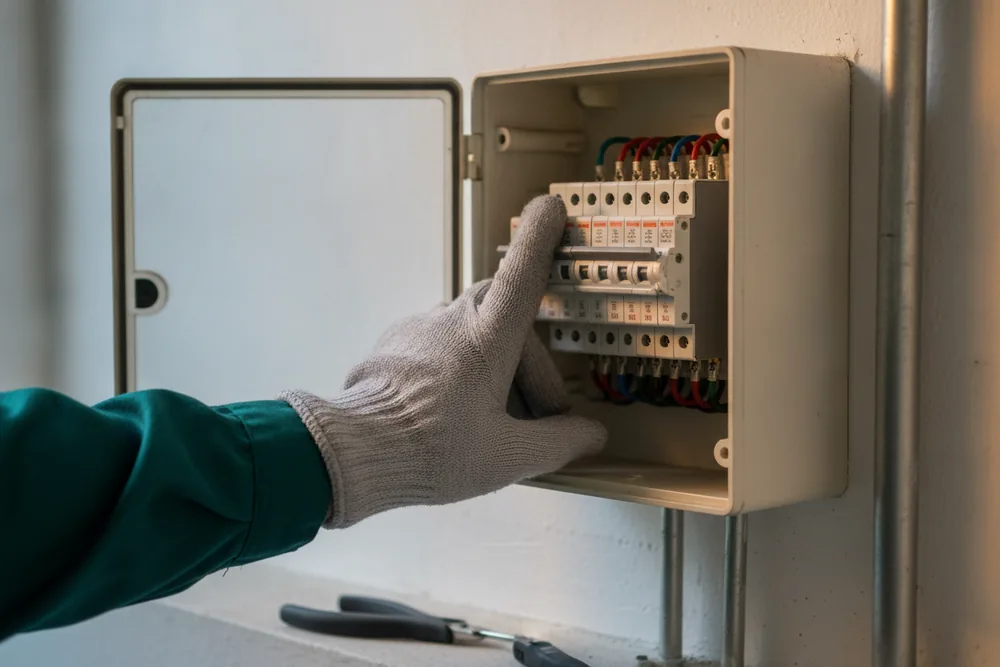 Power trips
Electrical trip meaning and what to do
Which switch cut the power, and when not to reset.
Read guide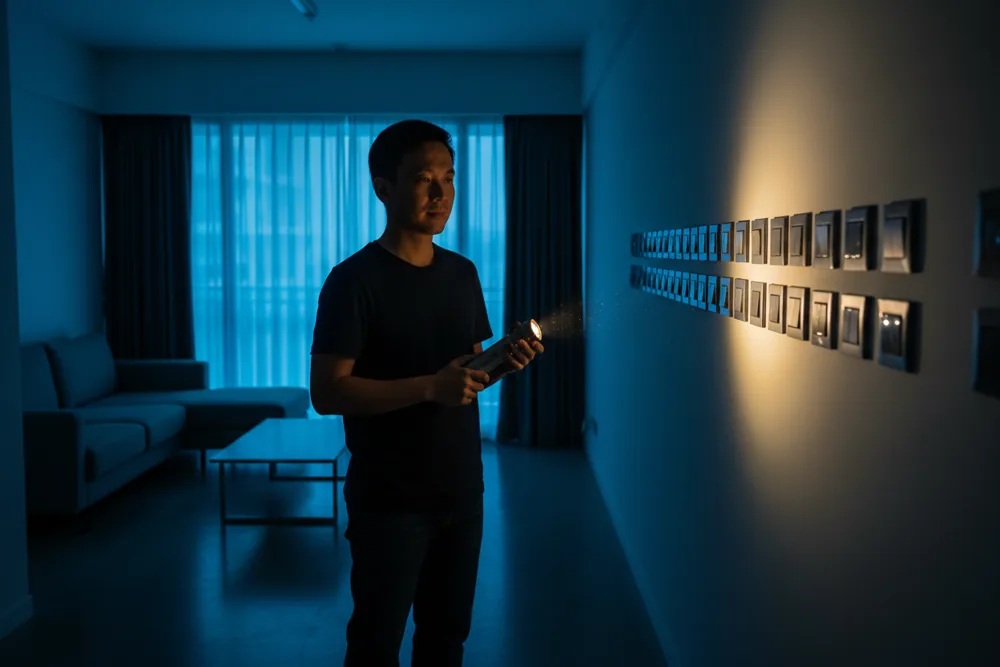 Outages
Power failure: the grid or your flat?
A one-minute check, and who to call.
Read guide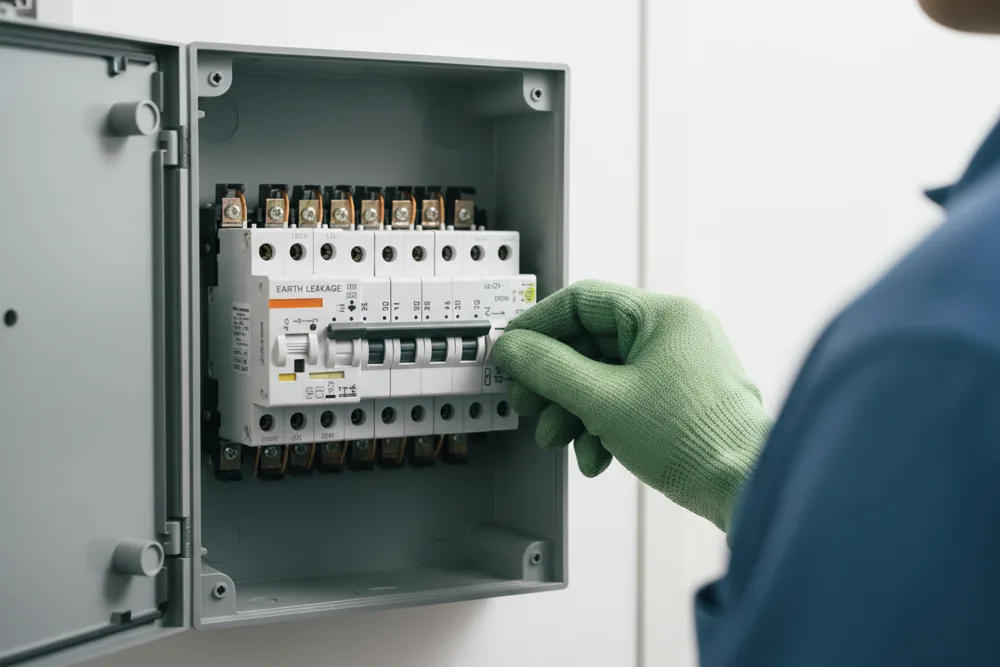 Breakers
RCCB, ELCB and MCB, explained
What each device protects, and the rule for every home.
Read guide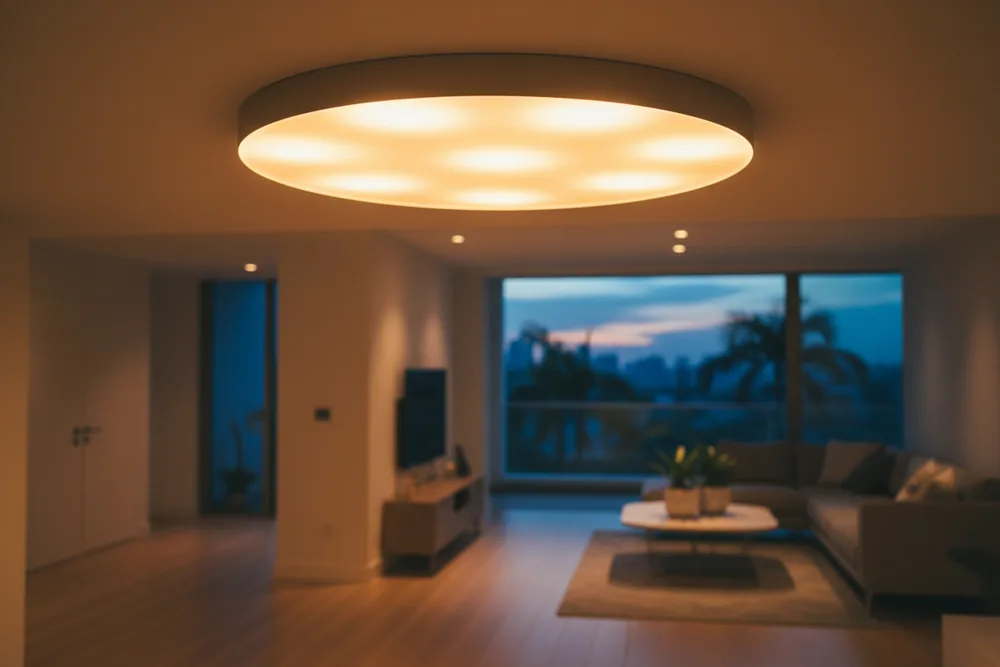 Troubleshooting
Why lights flicker
From the lamp to the supply, cheapest check first.
Read guide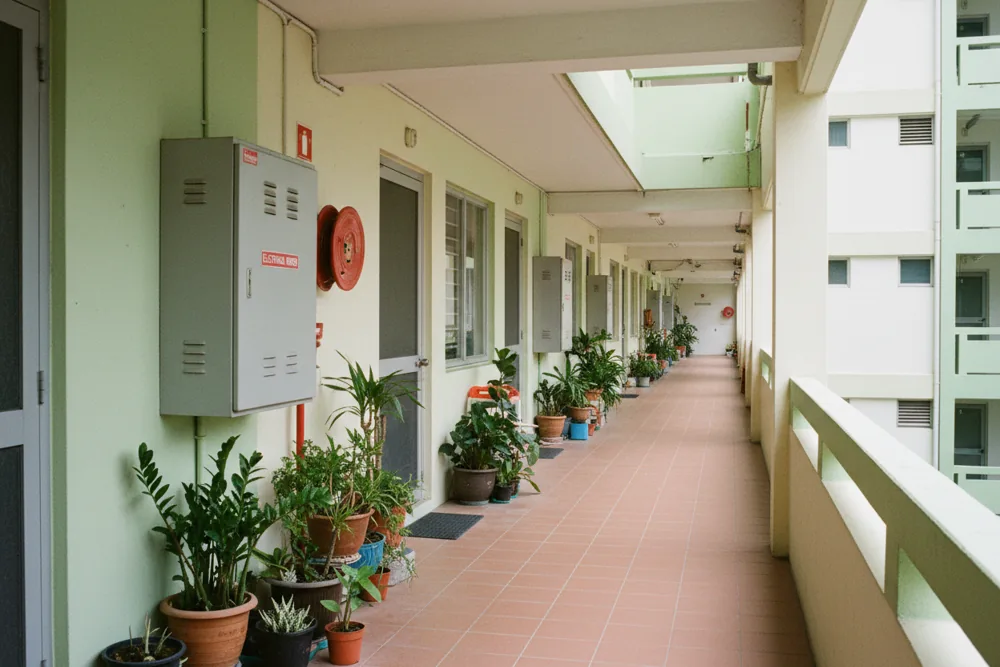 HDB
HDB electrical loading, 30A or 40A
HDB’s limits on heaters and ovens.
Read guide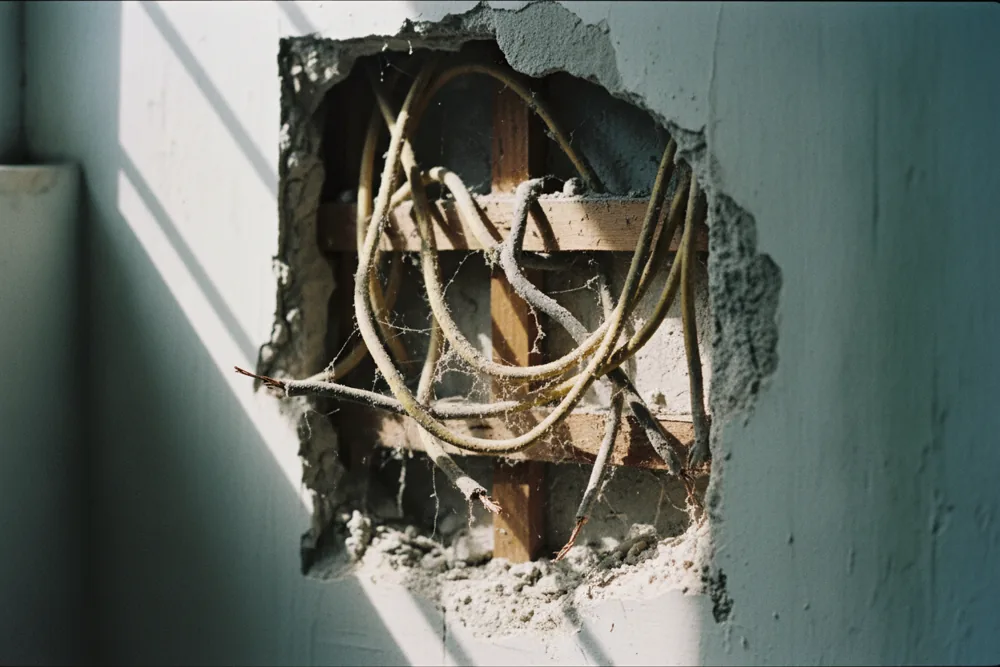 Rewiring
How long HDB wiring lasts
What HDB’s 25-year figure really says.
Read guide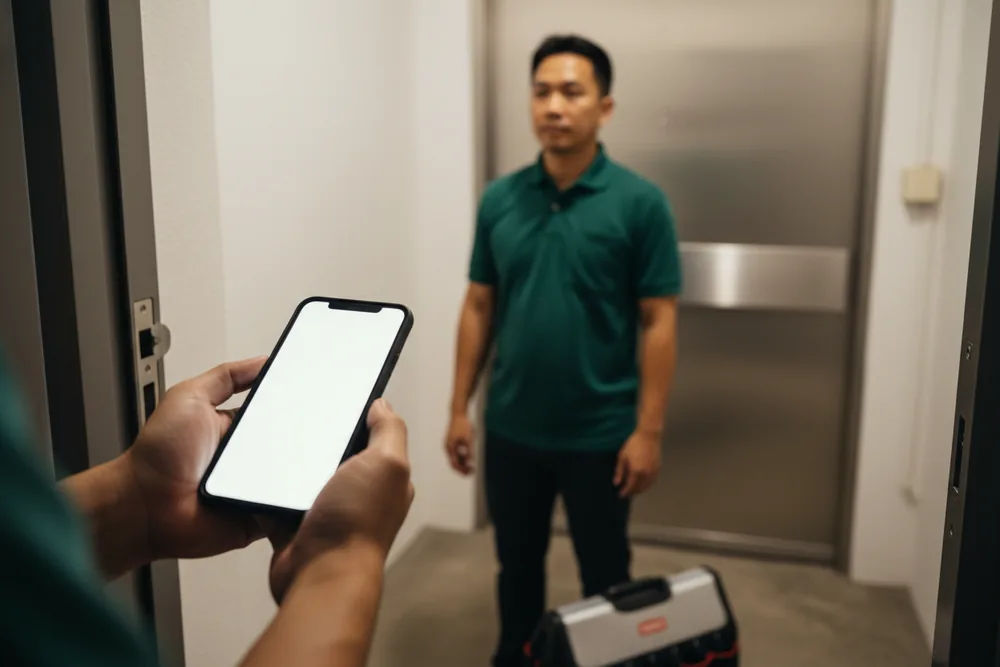 HDB
The missing HDB electrician list
The two registers that actually apply.
Read guide HDB
Town council or private electrician
Where the town council’s role ends.
Read guide Buying
Electrical checks on a resale flat
What to look at on a viewing.
Read guide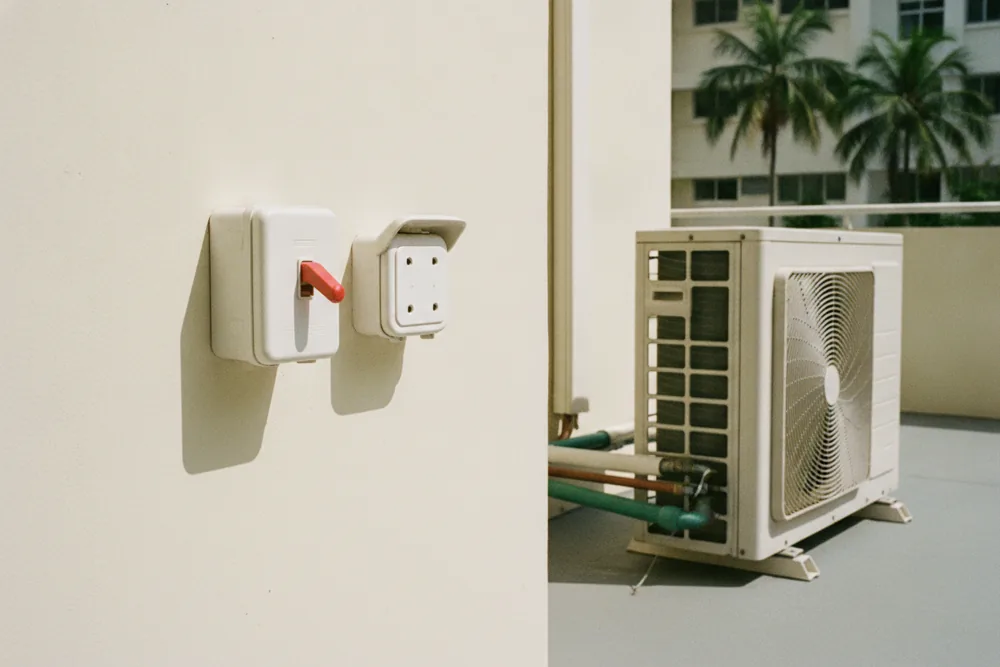 Aircon
The aircon isolator and its power point
What an isolator does.
Read guide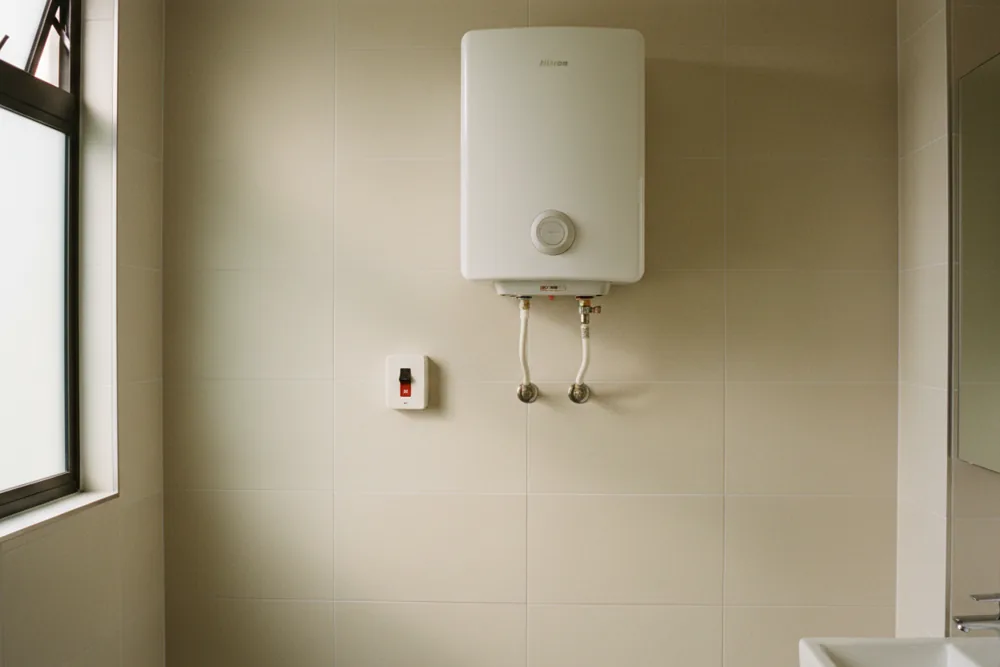 Water heaters
Storage or instant water heater
The electrical questions that decide it.
Read guide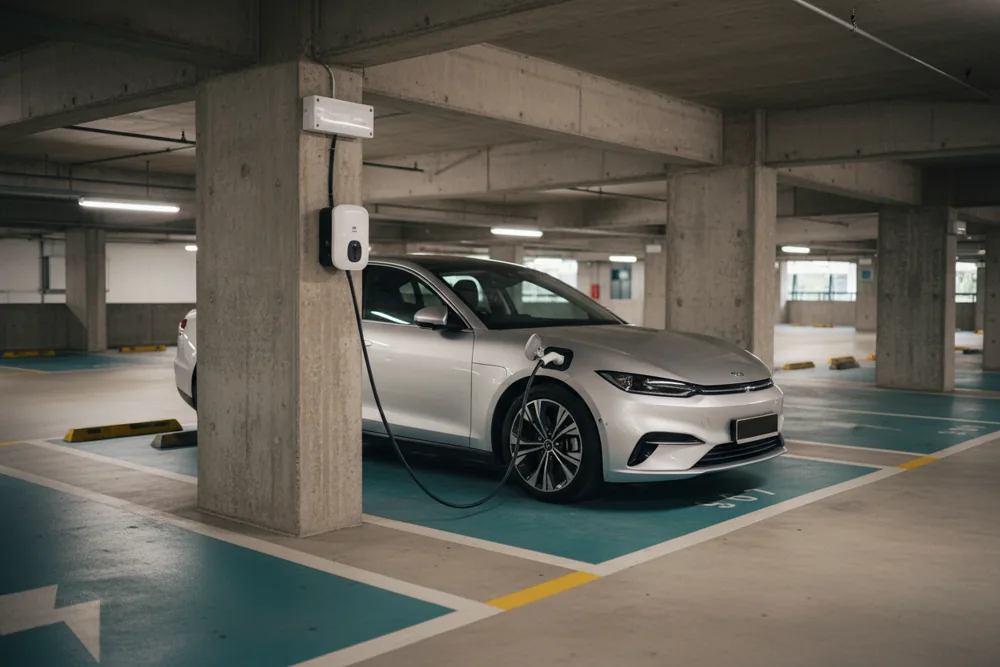 EV charging
 at HDB and condos
What a building’s supply limits.
Read guide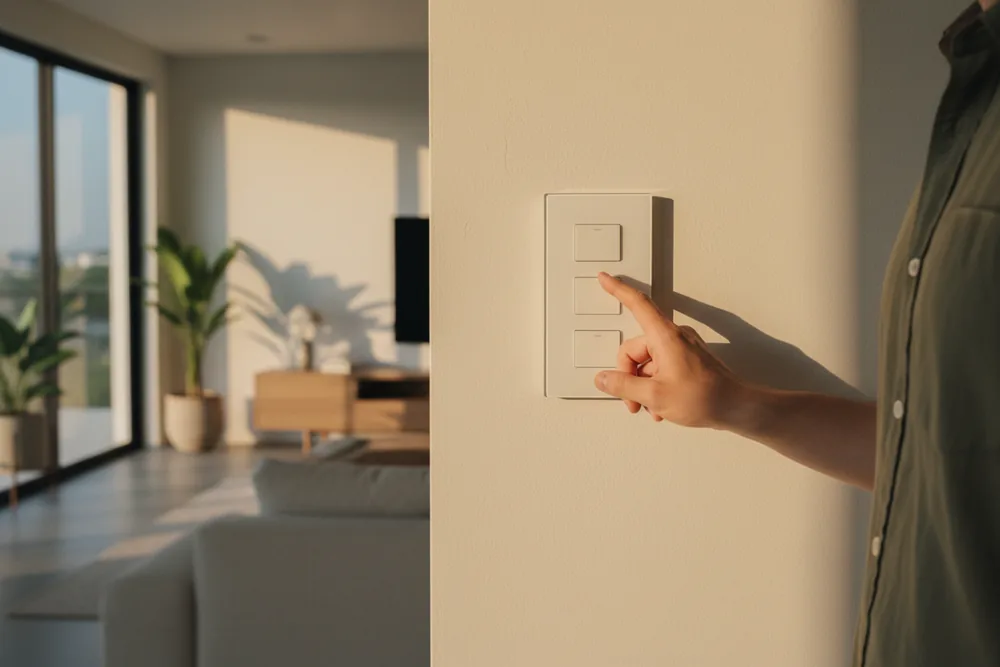 Smart home
Smart switches and the neutral wire
Why some need a neutral wire.
Read guide Hiring
Choosing an electrician
Check the licence, compare the scope.
Read guide Pricing
Call-out fees and minimum charges
What to ask before anyone travels.
Read guideNeed a licensed worker rather than a guide? Tell us the job and we pass it to the electrician who takes it
Tell us the jobElectrical safety questions
What is an electrical checklist?
Checks you can make without tools: the RCCB trips on its test button, no socket is warm or discoloured, and no adaptor is overloaded.
Which guide should I read first?
If something is wrong now, the triage at the top. If you are planning work, HDB electrical loading, then the licence check.
Are these guides written for Singapore?
Yes. Electrical safety Singapore rules come from EMA, HDB, LTA and SCDF, and the guides follow them rather than overseas advice.
What can I safely do myself?
Switch circuits off, reset a tripped device once, press the RCCB test button, change a plug-in lamp and photograph what you see. Wired work depends on the exact job.
Does anyone inspect my home wiring?
Not routinely. There is no legal requirement to have home wiring periodically inspected, so the owner decides when to have it checked.
Who do I call for a whole-block outage?
SP Group, on 1800 778 8888. Corridor and staircase lighting is the town council’s. Only faults inside your home are yours to arrange.
Is a SAFETY Mark enough to trust a product?
It shows the product is registered under the product-safety scheme. It says nothing about how it was installed or what else is on the circuit.
Are electrical fires common in Singapore homes?
Electrical origin is a leading cause of home fires, but the rate per home is very low and has been flat. The figures justify maintenance, not alarm.
Citations
Sources for every figure on this page
Every rule and figure quoted above comes from a published official source. Collected and last reconciled 18 September 2026.
-
Residential and electrical-origin fires, 2025.SCDF: Annual Statistics on EMS, Fire and Enforcement 2025 , February 2026
-
Combined cooking or electrical share, 2023 to 2025.MHA: written reply to parliamentary question , 5 March 2026
-
The 2008 Jurong West portable socket fire.SCDF Fire Analysis Report Vol 1 Issue 1 , April 2015
-
Solar PV connection and commissioning for homes.SP Group: Solar PV user guide for residential consumers , December 2022
-
Electrical work is done or supervised by a Licensed Electrical Worker.EMA: engaging licensed electrical workers , checked 21 August 2026
-
RCCBs required in all homes.
-
No periodic inspection requirement for home wiring.
Published prices move. If a figure here no longer matches the source, the source wins; tell us and it gets corrected rather than quietly left to rot.
Last updated